


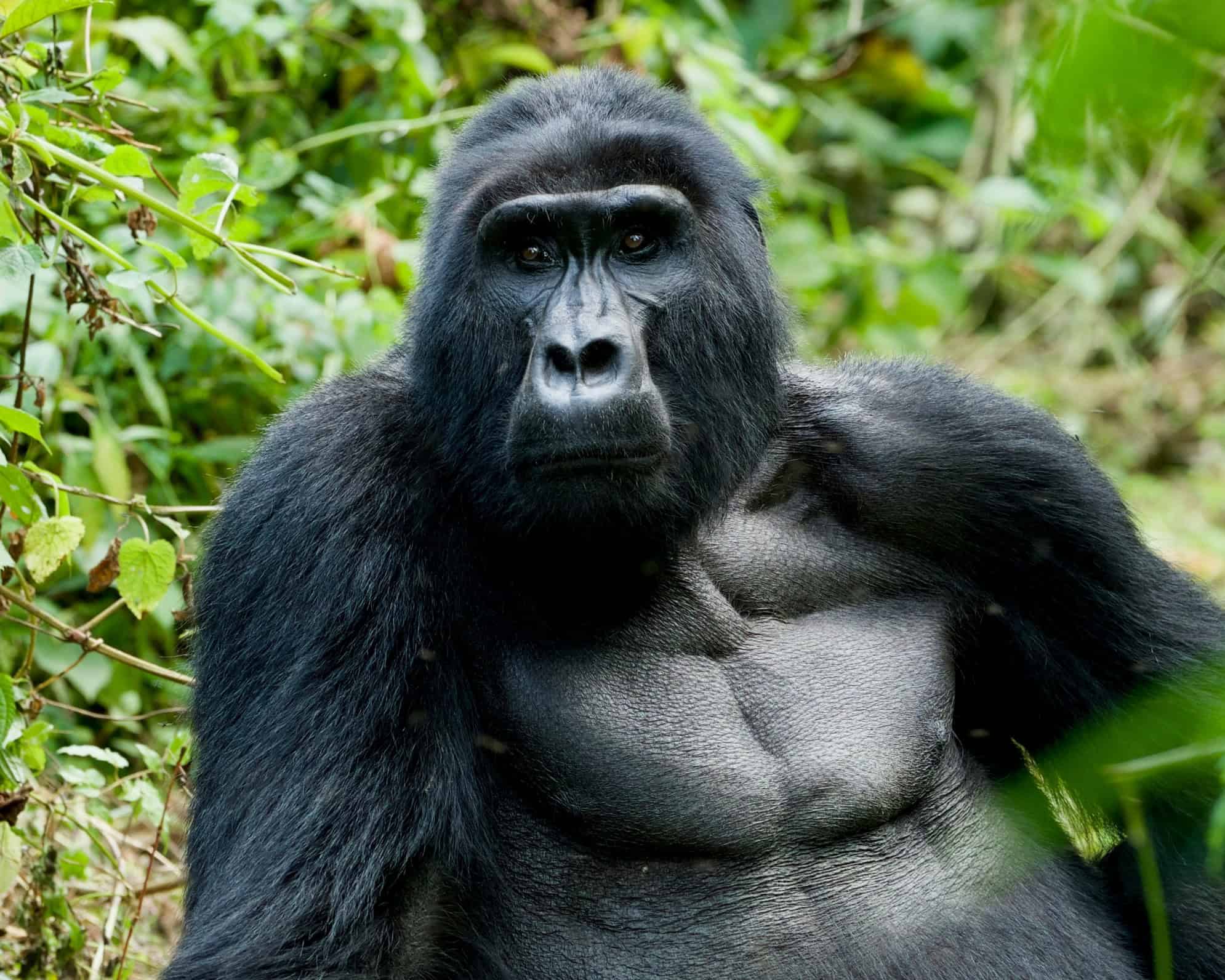
Bwindi Impenetrable National Park is one of Africa’s most spectacular and rewarding wildlife destinations, drawing travellers from across the globe for a once-in-a-lifetime experience: gorilla trekking.
In this complete guide, I cover everything you need to know about Bwindi Impenetrable National Park, gorilla trekking in Bwindi, and Bwindi Impenetrable National Park accommodation. I explain logistics and permits and reveal what to pack and how to prepare for your gorilla encounter.
This guide equips you with all the practical information, tips, and insights to make your journey memorable for all the right reasons.
Introducing Bwindi Impenetrable National Park
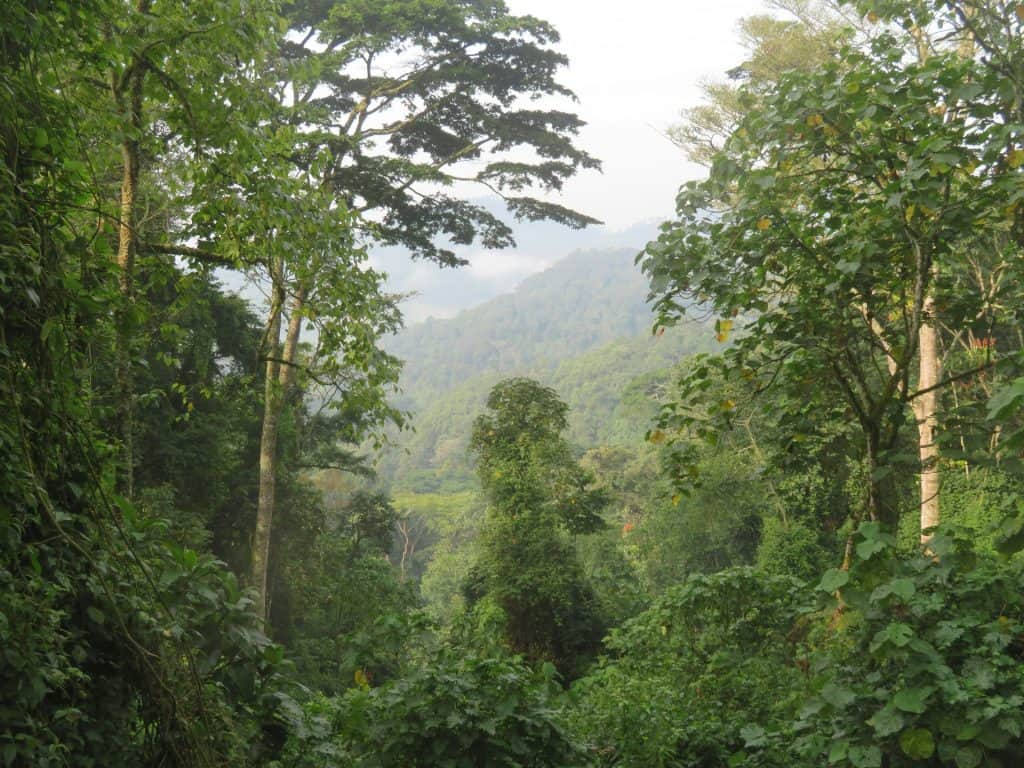
Located in southwestern Uganda, Bwindi Impenetrable National Park is a UNESCO World Heritage Site and one of the most biodiverse rainforests in Africa.
Covering roughly 331 square kilometres of dense, ancient tropical forest, Bwindi is home to over 120 mammal species and more than 350 birds.
But it’s best known the sanctuary for nearly half of the world’s remaining mountain gorilla population.
The park’s name, “Bwindi,” is derived from the Runyakitara word “Mubwindi,” meaning “the place of darkness,” a reference to its thick vegetation that makes the forest feel dark even during daylight.
I live a thirty-minute drive from Bwindi National Park (well, 30-50 minutes, depending on the road condition!). I often work from a guesthouse right on the edge of the park to enjoy the wildlife, which often spills over into the local community.
The town on the edge of the rainforest is called Buhoma, and it’s your gateway to the national park. It’s a pretty nondescript trading post, but it has a supermarket, and a raft of accommodation options, which I touch upon later.
Why Visit Bwindi Impenetrable National Park?
Why should you visit Bwindi over the many other national parks in Africa?
Mountain Gorillas
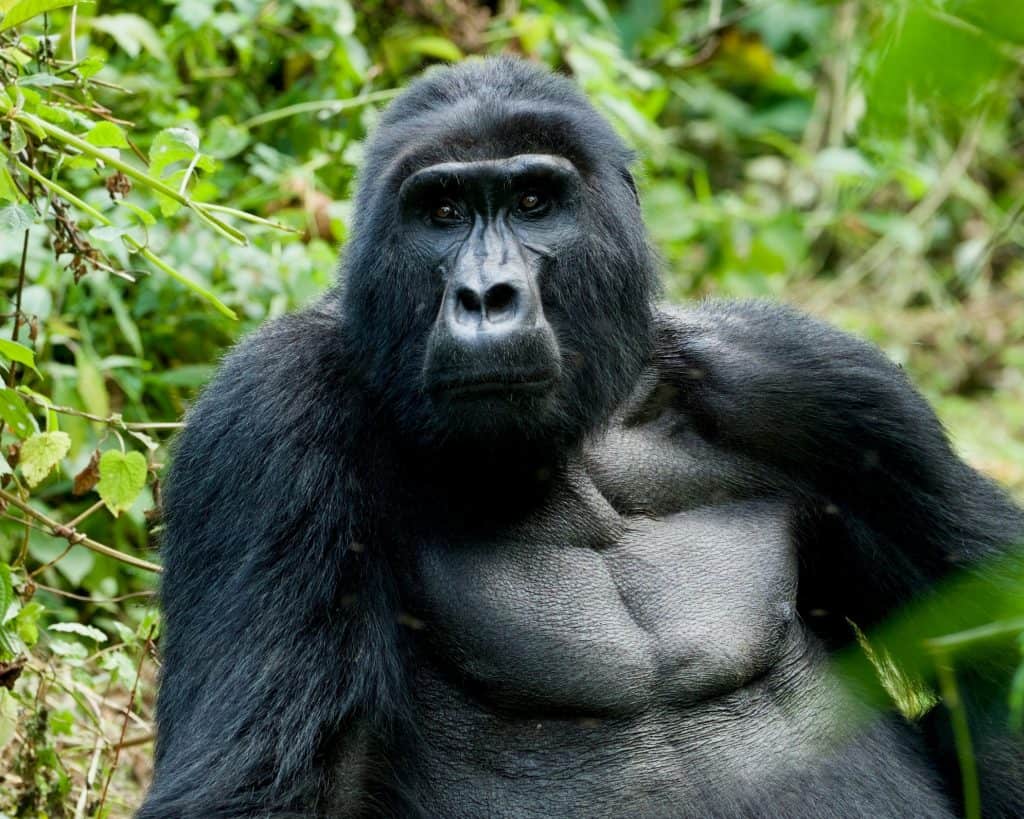
Bwindi is home to over 500 mountain gorillas, about half of the entire global population. These creatures are the largest living primates on earth and offer an awe-inspiring encounter that few other places on the planet can match.
While there are other places to walk with gorillas (Rwanda and DR Congo, for instance), Uganda is cheaper than Rwanda and safer than the DRC, making it the ideal choice if you’ve got this activity on your bucket list.
Pristine Rainforest Packed with Wildlife
The park is one of the oldest tropical forests in Africa, estimated to be over 25,000 years old. Dense vegetation, moss-covered trees, and a network of life make it a dream destination for nature lovers and photographers.
So, while you will probably enter the forest keen to spend time with mountain gorillas, your trek through the bush is an experience in itself. You may encounter a raft of other wildlife, too, including monkeys, bush pigs, forest elephants, and many others.
Birdwatcher’s Paradise
With over 350 bird species, Bwindi attracts birdwatchers from around the world. You can spot rare species like the African green broadbill, black-faced rufous warbler, and dusky crimson-wing.
One of the reasons I enjoy working remotely from a guesthouse in Buhoma is to listen to the birdsong from the forest – it’s one of the most beautiful sounds of sub-Saharan Africa.
Cultural Experiences
The Batwa pygmy community, forest inhabitants for centuries, offers immersive cultural experiences that give visitors unique insights into traditional forest life.
While the situation with the Batwa in Uganda is complex, I know the good folks over at the Batwa Development Program, who have been supporting their people adapt to life outside the forest since 2008.
If you organise an ethical, expert-led tour, it can be a wonderful way of learning about how the Batwa once lived and potentially supporting them in their new lives.
Hiking and Nature Walks
From guided nature walks to challenging hikes through lush terrain and up steep hillsides, Bwindi offers a variety of hiking options for those who want more than gorilla trekking.
For instance, you can hike around the periphery of the park to magnificent waterfalls, go birding with local guides, or arrange community-based hill walks in the communities surrounding Buhoma.
These are much cheaper options than gorilla trekking, and are nice additions if you’re spending more than a few days in the area.
The History and Conservation of Mountain Gorillas: Why It Matters
Mountain gorillas were first studied in the early 20th century and quickly became endangered due to habitat loss, hunting, and disease.
For decades, their numbers dwindled until committed conservation efforts helped stabilise and slowly increase population levels.
Today, mountain gorillas are exclusively found in three regions:
- Bwindi Impenetrable National Park (Uganda)
- Volcanoes National Park (Rwanda)
- Virunga National Park (DR Congo)
Uganda’s gorilla conservation model emphasises community involvement, anti-poaching patrols, veterinary interventions, and sustainable tourism.
Thanks to these efforts, the mountain gorilla population has grown and is a rare and rightly celebrated conservation success story in the modern era.
According to the latest WWF gorilla census, there are approximately 1,063 wild mountain gorillas, up from the 400 reported in the early 1980s.
Poaching, war, and disease all threatened the survival of gorillas, but thanks to concerted efforts by Africans in and around these parks, our ancestors are making a recovery.
Gorilla Trekking in Bwindi: What to Expect
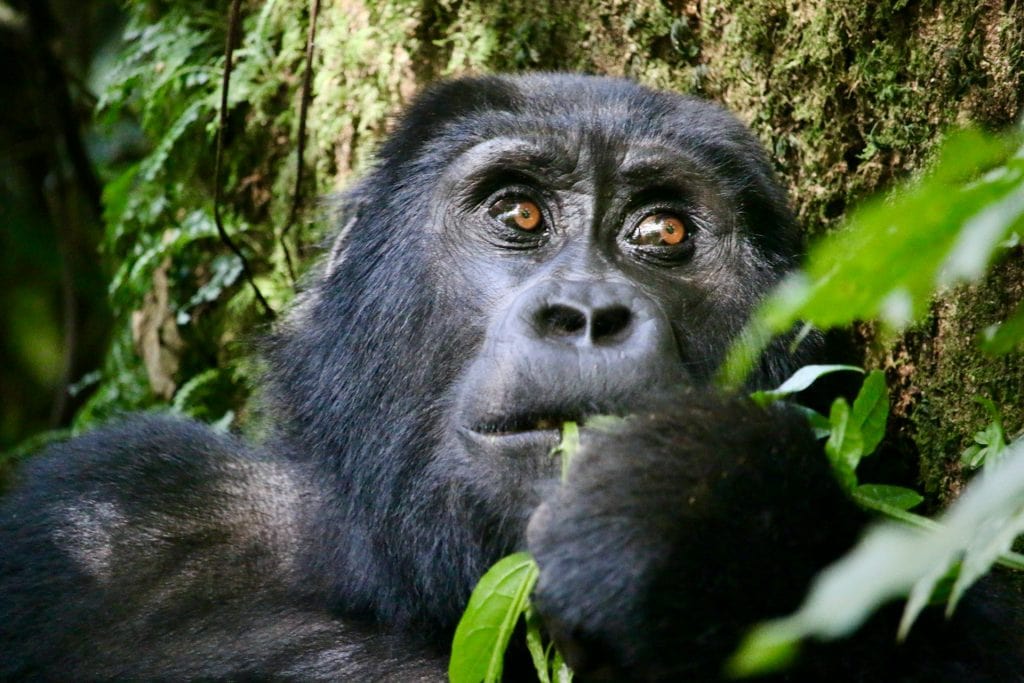
Gorilla trekking in Bwindi is a journey into the forest in pursuit of a habituated gorilla family. The experience begins at the park headquarters where you’re briefed on safety procedures, park rules, and gorilla etiquette.
From there, you join a small group and are accompanied by experienced guides and trackers, before making your way into the forest. The trek can take anywhere from a few hours to a full day, depending on the location of the gorillas.
Once you find a gorilla family, you are allowed to spend approximately one hour observing them in their natural habitat. This is a deeply moving and unforgettable experience; watching these intelligent, gentle giants interact, forage, play, and even approach close enough to see the emotion in their eyes.
When I visited the gorillas in 2012, I couldn’t believe how humanlike they were. They were playful and inquisitive, and didn’t seem moved by the presence of a group of human beings.
I’ve been on countless African safaris over the years, but my gorilla trekking experience was the most moving and memorable animal encounter I’ve ever had. Though expensive, I would do it again in a heartbeat if my savings allowed.
Difficulty & Terrain
No two gorilla treks are the same. Trails can be steep, muddy, and physically demanding. Hikers of moderate fitness will manage most treks, but the terrain requires sturdy footwear and often walking sticks.
Some treks may involve crossing small rivers, navigating through thick undergrowth, and hiking up hillsides. However, you can hire porters to assist with carrying gear and offering physical support.
When I did my trek, I was in the forest for about seven hours. But, now that I live close to Bwindi, I’ve heard of tourists who’ve walked just five minutes to see the gorillas on the other side of the car park.
These guys are wild animals and you, or your guides, have no control over where they are on the day of your trek.
Gorilla Trekking Rules
To ensure the safety of both visitors and gorillas, strict rules are enforced by the rangers and guides:
- You must maintain a minimum distance of 7 meters (23 feet) from gorillas.
- You’re asked to avoid direct eye contact with silverbacks.
- You should wear a face mask if you’re feeling unwell.
- Do not eat or drink near the gorillas.
- Follow your guide’s instructions at all times and ask questions if you’re unsure about something.
- You must take all of your trash out of the park. Littering is strictly forbidden and punishable with a fine.
Gorilla Trekking Permits and How to Secure Them
If you want to trek gorillas in Uganda, you must obtain a permit from the Uganda Wildlife Authority (UWA). Here’s what you need to know and how to go about it.
Permit Cost
Ugandan gorilla trekking permits are priced in USD and can depending on residency status (East African residents, non-residents, etc.). Prices tend to be seasonal and subject to change, so booking well in advance, particularly for peak travel periods, is essential.
The table below shows the current prices of gorilla trekking permits in Uganda:
| Category | Price (USD) |
| Foreign non-residents | $800 |
| Foreign residents | $700 |
| East Africans | $85 (charged as 300,000 UGX) |
| Rest of Africa | $500 |
At the start of 2026, the Uganda Wildlife Authority announced discounts for low-season gorilla permits. If you visit in April, May, and November, you can do gorilla trekking in Bwindi NP for $600 instead of $800.
If you’re a foreign resident of Uganda, the cost is $500 in the same months instead of $700. This $200 saving is a bonus, and though you might get wet on your hike through the bush, the lower price now adds a decent incentive.
How to Book
You can book your permit directly with the Uganda Wildlife Authority or through a registered Ugandan travel agency that specialises in gorilla tourism.
We recommend securing your permit three to six months in advanced, especially during high season (June–September and December–February).
Permit Specifics
Your permit includes:
- A chance to track gorillas with expert guides and trackers
- Support of conservation and local communities
- Entrance to the national park
Remember that only a limited number of permits are issued per day, per gorilla family, which helps control tourism impact and preserve the gorillas’ natural behaviour.
You may also apply for habituation permits in Bwindi. These allow for longer periods with the gorillas as you help a team habituate other groups. In Bwindi, the gorilla habituation experience costs $1,800 for foreign non-residents.
When is the Best Time to Visit Bwindi for Gorilla Trekking?
Bwindi is a year-round destination, but specific seasons offer advantages:
Dry Seasons
There are two dry seasons in Bwindi: June to August and December to February. These months generally have less rainfall, which means easier trekking conditions. Trails are less slippery, and visibility is better for photos.
Wet Seasons
Rainfall can make trails muddy and challenging, but the forest is lush, and there are fewer tourists. If you’re comfortable with wetter conditions and want a quieter experience, this can be a great time to visit.
I trekked gorillas in September and got very wet. There was a huge storm about an hour into my trek, but I felt like it added to the experience. I got “gorillas in the mist” vibes, for sure, and provided you have the right gear, a bit of rain won’t ruin the experience.
Choosing Your Starting Point in Bwindi
Bwindi Impenetrable National Park is divided into four main sectors:
Buhoma Sector
Easily the most popular sector, Buhoma is accessible from Kihihi Town (the southwestern gateway to the gorilla highlands) and is known for its high concentration of habituated gorilla families and varied accommodation options.
Ruhija Sector
This eastern sector is less visited but equally rewarding, offering a quieter trekking experience and varied terrain with beautiful views.
Nkuringo Sector
Located in the southern part of the park, Nkuringo offers strenuous treks through deeper forest trails and only a couple of accommodation options.
Rushaga Sector
The newest and trekking area features a growing number of habituated gorilla families and increasing tourism infrastructure, though it’s still not on the map of many long-established tour operators.
Bwindi Impenetrable National Park Accommodation Options
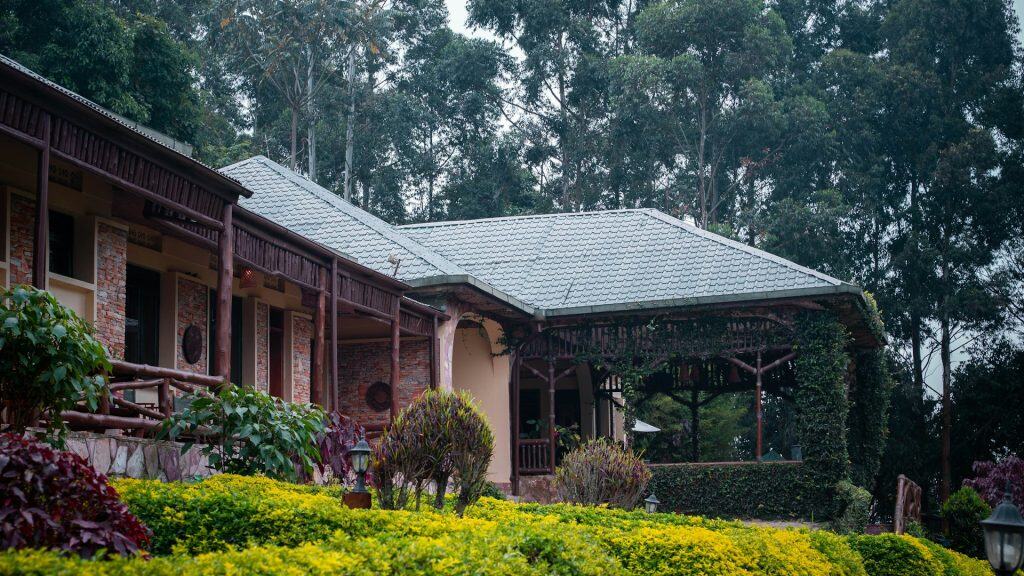
Choosing the right Bwindi Impenetrable National Park accommodation will ensure you have a quiet and relaxing base, where you can rest and recuperate after your adventure.
You can opt for luxury lodges, mid-range hotels, or budget accommodation options, with camping at some spots also an option.
Mahogany Springs is the pick of the bunch in Buhoma, offering exceptional service and stunning views across the forest.
If you’re booking an independent trip and are on a budget, I highly recommend The Crested Crane Hotel, just outside of Buhoma, as it’s one of my favourite spots in the region with incredible views and great-value lodgings.
How to Get to Bwindi
Bwindi is accessible by road and air.
From Kampala or Entebbe, it’s a scenic drive of approximately 8–10 hours through rolling hills, banana plantations, and rural countryside. Your safari guide can pick you up at the airport and take you directly to Buhoma the day before your trek.
Alternatively, scheduled services are available from Entebbe International Airport to airstrips near Bwindi, such as Kihihi and Kisoro. The flight time from Entebbe to Kihihi/Kisoro is about 1.10 minutes, depending on weather conditions.
Currently, only Aerolink Uganda serves this route, and it costs between $500 and $600 for a return ticket. Keen to explore your travel options to Bwindi in full? Check out my guide to traveling from Entebbe to Kihihi to help you decide on the best options.
Sample 4-Day Itinerary: The Perfect Gorilla Trek in Bwindi National Park
Price: From $3,655 per person
Book Your Gorilla Adventure Today
Day 1: Welcome to Uganda – Arrival in Entebbe
Arrive at Entebbe International Airport. Depending on your arrival time, you may choose to explore some of the area’s optional experiences.
These include a visit to Ngamba Island Chimpanzee Sanctuary for an up-close look at rescued chimpanzees, birdwatching in the Entebbe Botanical Gardens, or a guided excursion to Mabamba Swamp.
Bird enthusiasts especially will appreciate Mabamba, home to the rare and prehistoric-looking shoebill, along with numerous other wetland bird species.
Day 2: Travel to Bwindi
After breakfast, you will transfer back to the airport for your scheduled domestic flight to Kisoro (Kihihi is also an option), which takes approximately one hour. Upon landing, you’ll be welcomed by your professional safari guide and transferred to your lodge near Bwindi.
If time allows, you may opt for a community walk around the park area, offering insight into the traditions and daily life of the local communities.
Day 3: Gorilla Trekking Adventure
Enjoy an early breakfast before heading to the park headquarters for a detailed briefing from the rangers. You’ll then begin your guided trek into the forest in search of one of Bwindi’s habituated gorilla families.
Throughout the journey, knowledgeable guides and trackers will share fascinating insights about the forest ecosystem and the critically endangered mountain gorillas. Once your group locates the gorillas, you’ll spend up to one unforgettable hour observing them from a safe distance.
You may witness adults feeding, grooming, or resting peacefully, while younger gorillas tumble, climb, and swing playfully through the vegetation.
After your trek, return to the lodge to unwind, enjoy dinner, and spend the night.
Day 4: Return to Entebbe
Following breakfast, you will transfer to Kisoro Airstrip for your scheduled flight back to Entebbe International Airport, marking the end of your gorilla trekking adventure.
Specifics
- Entebbe Hotel: 1 Night in 4-star accommodation
- Mahogany Springs Lodge: 2 Nights in Bwindi Impenetrable Forest
- Mahogany Springs Lodge: All meals & House drinks at your Bwindi accommodation
- Mahogany Springs Lodge: Gorilla Trekking and permit in Bwindi Impenetrable Forest
- Flight from Entebbe Airport (EBB) to Kisoro Airport (KXO)
- Ground transportation by 4×4 Safari Land Cruiser
Ready for Your Dream Trip to Bwindi?
Gorilla trekking in Bwindi Impenetrable National Park is an experience you won’t forget in a hurry.
Planning ahead, including securing permits, choosing ideal Bwindi Impenetrable National Park accommodation, packing properly, and understanding the terrain, will ensure your adventure is safe, enjoyable, and truly unforgettable.
With expert guidance from EA Travel Hub, your dream gorilla trekking safari in Bwindi can become a reality. Ready to start planning? Discover your Ugandan safari options and plan your dream trip this year.
